
Fabric & Performance Guide
Fabric Built Around Movement.
Performance wear is more than a fabric name. The way a textile feels, stretches, manages heat, layers and responds to repeated movement can shape how a piece works through training and everyday active life. Use this guide to understand the fabric characteristics worth looking for before choosing your next layer.
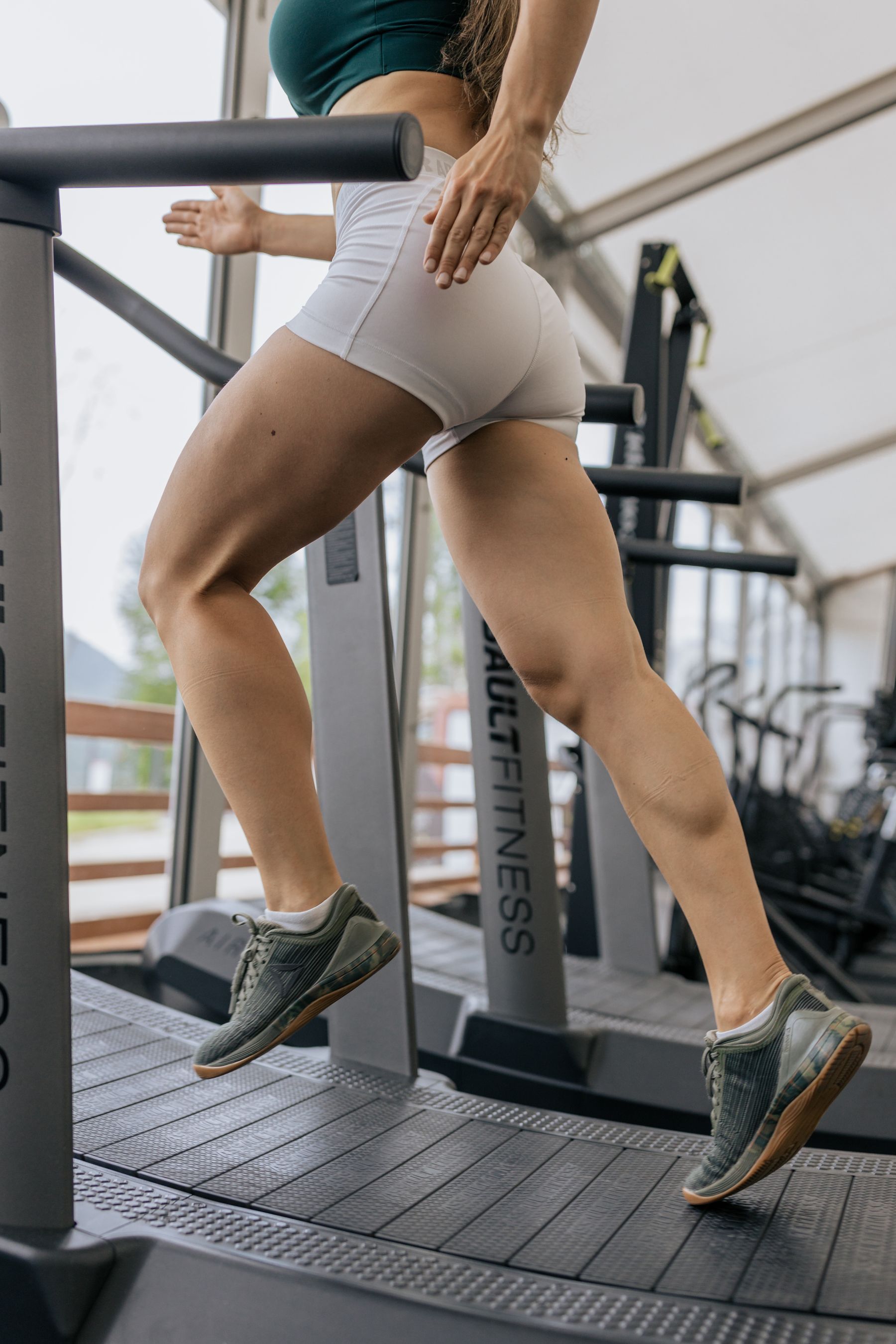
Read Fabric By What Your Session Demands.
There is no single fabric quality that defines every activity. Instead, look at how a garment balances airflow, stretch, warmth, surface protection and next-to-skin comfort for the way you move.
Airflow
Lightweight constructions, mesh zones and more open knits can help increase air exchange where heat builds during high-output movement.
Moisture Handling
Performance-oriented textiles may be designed to move perspiration away from the skin or dry more quickly than heavier everyday fabrics.
Stretch & Recovery
Stretch supports reaching, squatting, riding and running. Recovery matters too, helping a garment return toward its intended shape after repeated movement.
Thermal Balance
Brushed interiors, denser knits and layered constructions can add warmth, while lighter base layers help maintain flexibility close to the body.
Surface Protection
Outer layers may use tighter constructions or protective finishes to help reduce the impact of wind or light moisture during changing outdoor conditions.
Visibility Details
Reflective elements can improve visual contrast in lower-light environments when illuminated, making them useful details for selected running and movement pieces.
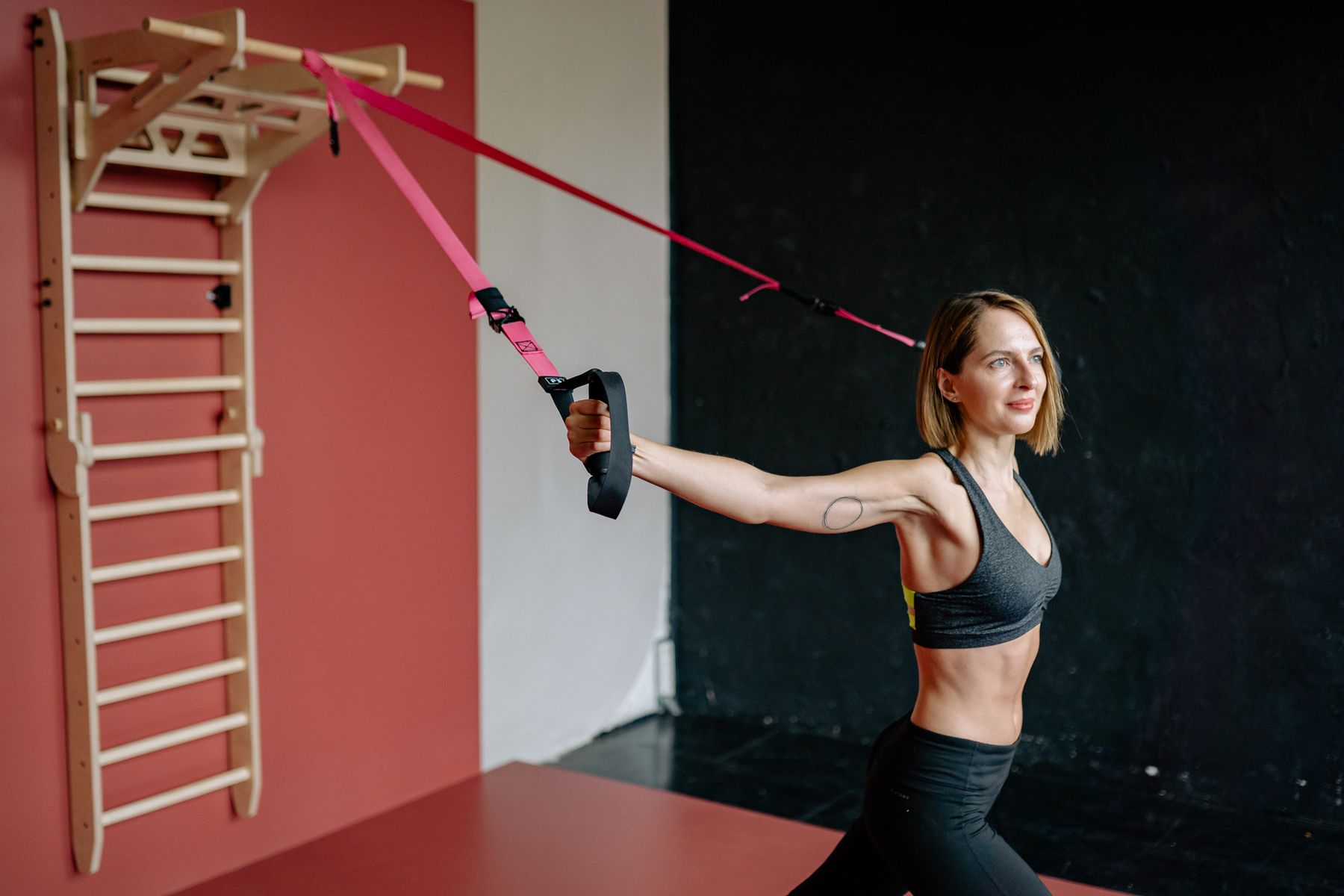
The Fiber Name Is Only The Starting Point.
Composition, knit structure, weight, surface treatment and garment construction work together. Two pieces using similar fiber families can still feel and perform differently, so always use the individual product description as your final reference.
Common in activewear because they can be engineered into lightweight, quick-drying and durable constructions suitable for repeated training.
Often chosen where a smooth hand feel, resilient surface and flexible construction are useful for fitted or movement-focused garments.
Usually blended with other fibers to add stretch and recovery. Higher stretch content does not automatically mean a garment is better for every activity.
More open constructions can support ventilation and are often positioned in areas where additional airflow is useful.
Soft interior textures and denser fabrics can support warmth and comfort in base layers, long sleeves and cool-weather activewear.
Cotton can offer a familiar natural hand feel for lighter activity and everyday wear, while blended constructions may help add shape retention or flexibility.
Match The Fabric To The Way You Train.
Start with the environment, the intensity and the range of motion you expect. Then choose the fabric characteristics that make the most sense for that session.
Strength & Training
Prioritize mobility, shape recovery and comfort through repeated bending, pressing, pulling and loaded movement.
Running
Consider lighter layers that reduce unnecessary bulk while supporting airflow, quick drying and unrestricted stride.
Cycling
Look for stretch that works in a forward riding position together with comfortable layering and fabric that stays close to the body.
Yoga & Mobility
Flexible fabrics and smooth construction can support extended ranges of motion without making the garment feel overly rigid.
Cool Weather
Build warmth in stages so each layer can contribute without restricting movement or creating unnecessary bulk.
Build A System. Not Just A Stack.
Functional layering works best when each piece has a purpose. Start close to the body, add warmth only when needed, then use an outer layer for changing wind or light weather exposure.
Base Layer
The closest layer should support next-to-skin comfort, movement and moisture management appropriate to the activity.
Mid Layer
Add a long sleeve, performance hoodie or other insulating layer when extra warmth is useful between active periods.
Outer Layer
A running or training jacket can add a protective surface for wind and changing outdoor conditions while preserving mobility.

Performance Is A Balance.
A softer fabric may feel excellent next to skin. A denser fabric may feel more protective. A highly elastic fabric may support deep mobility. The right balance depends on the garment and the session.
Softness
Useful where the fabric stays close to skin for extended periods, especially in base layers and low-profile training pieces.
Mobility
Important for squatting, reaching, running, cycling and other movements where the garment needs to follow the body.
Structure
Denser constructions can feel more supportive or protective and may be appropriate for selected training pants and outer layers.
Climate Control
Choose lighter or warmer constructions based on temperature, training intensity and whether the garment is worn alone or layered.
The visual bars above are design cues for comparing priorities, not laboratory measurements or product test scores.
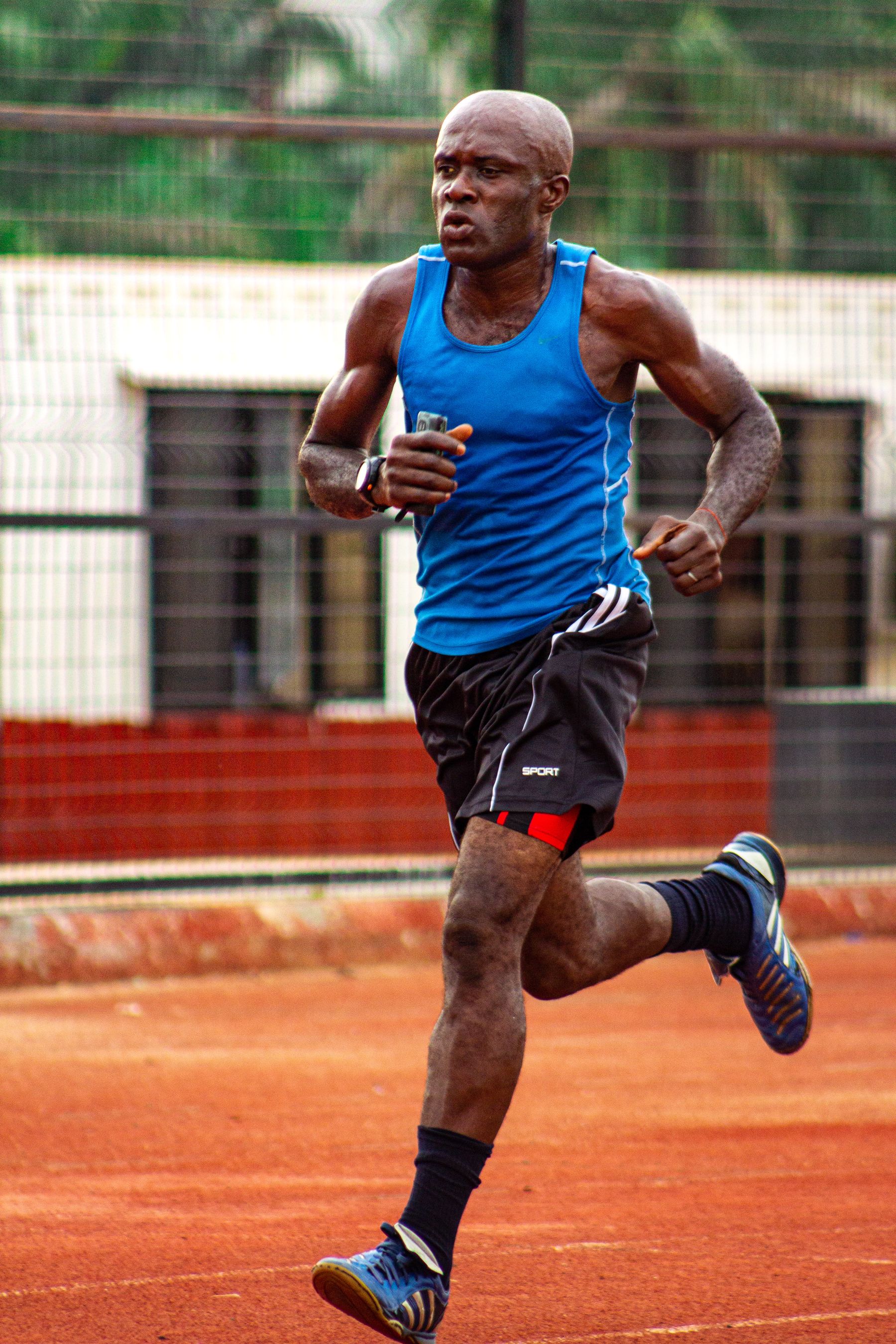
Start With Conditions.
Temperature, wind, training intensity and session length can change what feels comfortable. Use these simple prompts before choosing your fabric weight and layer combination.
Protect The Fabric You Train In.
Activewear combines stretch, surface finishes, lightweight knits and technical constructions. Care choices can affect how those materials feel over time.
Check The Label First
Fiber blends, prints, reflective elements and protective finishes may require different treatment.
Use Gentle Washing When Allowed
Cooler water and gentler cycles can reduce unnecessary stress on elastic fibers and lightweight constructions when the label permits.
Manage Heat Carefully
Excessive heat can be hard on some stretch fabrics and finishes. Follow the stated drying instructions for each garment.
Wash With Similar Garments
Separating activewear from rough hardware, hook-and-loop closures or abrasive items can help reduce unwanted surface friction.
Know What To Look For.
Fabric terminology can sound technical. These answers focus on practical selection rather than unnecessary jargon.
Does more stretch always mean better performance?
No. Stretch should match the intended movement and fit. Some activities benefit from high flexibility, while other garments need more structure to hold their intended shape.
What should I look for in warm-weather training wear?
Lighter fabric weight, ventilation, moisture management and a fit that does not trap unnecessary bulk can all be useful considerations. Exact needs depend on activity intensity and environment.
What makes a good base layer?
A base layer should feel comfortable close to the skin, allow the intended range of motion and suit the temperature and activity. In colder settings, it should also work comfortably beneath additional layers.
Are wind-resistant and water-resistant fabrics waterproof?
Not necessarily. Resistance and waterproofing describe different levels of protection. Review the specific product description for the stated characteristics of each outer layer.
Why do some performance fabrics feel smoother than others?
Fiber type, yarn size, knit structure, surface finishing and fabric weight can all change the hand feel. A smooth textile is not automatically more or less technical than a textured one.
How should I choose between fitted and relaxed activewear?
Consider the movement you need, your layering plan and your personal comfort preference. Close fits can reduce excess fabric, while relaxed fits can provide more room for airflow or layering.
Can one garment work across training and everyday wear?
Many functional pieces are versatile enough for both active use and daily movement. The best choice depends on the garment's fit, fabric weight, comfort and the conditions you expect to wear it in.
Choose The Layer That Fits The Work.
Start with your movement, temperature and preferred fit. Then compare fabric construction, stretch, airflow and layering potential to build a setup that feels right from warm-up through the rest of your day.